Best AI Tools for Meal Image Analysis

Skoy helps you track meals from photos with fast, practical nutrition insights. Here is how AI meal analysis compares with manual tracking and why it is becoming a better fit for daily use.
Published May 4, 2026 · 10 min read
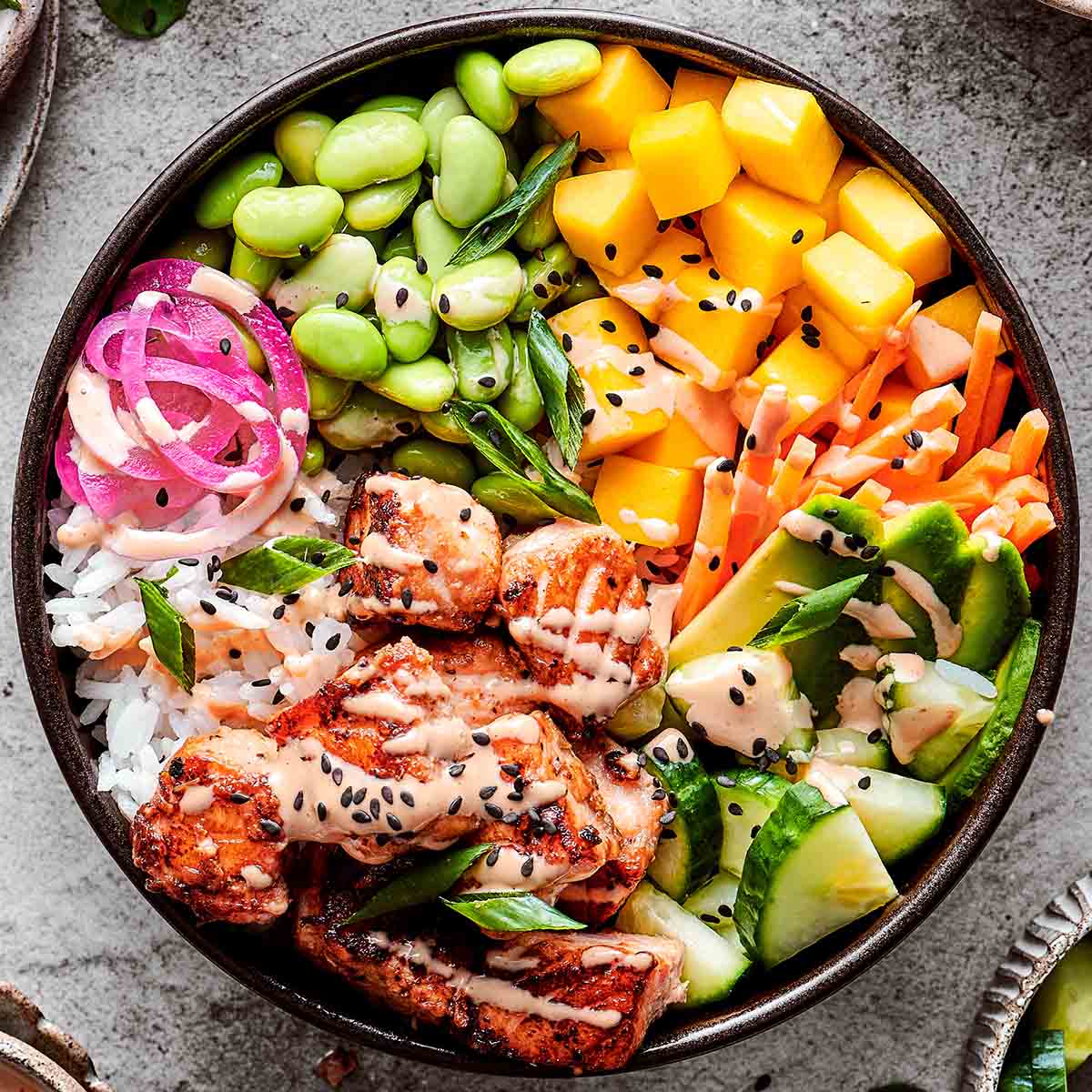
Best AI Tools for Meal Image Analysis
AI-powered meal image analysis has changed food tracking from a manual chore into a lightweight daily habit. Instead of typing each ingredient and estimating serving sizes by hand, users can take a meal photo and receive a full nutrition summary in seconds. For people trying to improve diet quality, hit performance goals, or manage medical nutrition plans, this shift makes consistent tracking more realistic.
The practical advantage is not just convenience. Modern systems are improving in recognition accuracy, portion estimation, and nutrient coverage at the same time. That combination is why photo-based logging is becoming a stronger alternative to manual app entry for both everyday users and professionals.
- Accuracy: Identifies foods with up to 95% precision and can estimate calories with error margins reported as low as +/-1.2% in advanced systems.
- Speed: Typical logging takes around 2.8 to 3 seconds, saving users an estimated 4.2 hours per week compared with manual tracking flows.
- Portion Estimation: Uses 3D volume estimation and plate geometry so users do not need a food scale for every meal.
- Nutrient Depth: Tracks up to 82+ micronutrients, including vitamins, amino acids, and fatty acid profiles.
- Consistency: Weekly adherence rates around 78% are commonly reported, roughly double many traditional manual logging patterns.
One standout platform in this category is Skoy, which pairs fast image scanning with detailed nutrition outputs and practical meal-planning tools.
AI Meal Tracking vs Manual Methods: Speed, Accuracy, and Features
Manual tracking still works, but it often breaks down because it is slow and repetitive. Searching databases, estimating portions, and entering mixed dishes one ingredient at a time creates friction that makes users stop after a few weeks.
AI meal tracking compresses that workflow into a single action: take a photo. Competitive benchmark videos and user tests frequently highlight the same tradeoff: some scanners still miss edge cases, but the best tools now deliver enough speed and precision to outperform manual logging for day-to-day consistency.
Skoy: AI-Powered Meal Image Analysis
Skoy is built to make meal tracking almost instant. A user snaps a meal photo, and in about 12 seconds receives a detailed nutrition profile. With more than 150,000 scans processed and an accuracy rate reported above 95%, it positions itself as a reliable option for everyday nutrition tracking.
The tool recognizes over 10,000 foods and returns calories, macros, and key micronutrient values. It also supports a creative workflow: turning meal images into step-by-step cooking instructions with ingredient lists and portion guidance, which is useful for recreating restaurant dishes at home.
Collaboration is another useful layer. Users can invite a coach or nutritionist to review scans in real time, making the app practical for programs that require ongoing professional feedback.
Main Features of Skoy
The core feature is automatic meal analysis without manual data entry. The app identifies foods, estimates portions, and calculates nutrition values with a reported nutrient confidence level of up to 98%, grounded against trusted food databases.
An automatic nutrition journal syncs scans across devices so tracking stays consistent even when users switch between mobile and desktop. Power users report average habit streaks of around 12 days, which suggests the low-friction workflow helps maintain momentum.
The AI recipe generator extends beyond logging. By analyzing a meal photo, it extracts likely ingredients and preparation flow so users can recreate dishes with better control over calories and macros.
For structured dietary goals, users can choose personalized plans such as Keto, Balanced Vegan, Diabetic-Friendly, or Athlete Fuel. The product runs on web and mobile browsers, requires no credit card for free access, and is used in more than 180 countries with an overall user rating of 4.95/5.
Advantages of Using Skoy
The biggest advantage is speed with enough precision for daily decision-making. Users no longer need to look up every ingredient manually or weigh each plate to stay on track.
"Patients finally understand their nutrition. The visual breakdowns keep them engaged between visits." - Dr. Malik, Registered Dietitian
Premium features like the serving adjuster allow finer portion tuning for users who want tighter calorie control. A customizable widget speeds up repeat actions, and PDF reports make it easier to review trends or share data with clinicians.
"The accuracy and clarity help our athletes understand what fuels their performance. It's like having a dietitian assistant available 24/7." - Gemma Ray, RDN and Sports Nutrition Partner
Skoy Pricing Options
| Feature | Free Plan | Premium Plan |
|---|---|---|
| Cost | $0/month | $9.99/month |
| Scans | 3 scans lifetime (or 3 days) | Unlimited scans |
| Scan History | None | Complete history |
| Ads | Included | Ad-free experience |
| Serving Adjuster | No | Included |
| Customizable Widget | No | Included |
| Reports | No | PDF reports |
| Support | Basic email support | Premium chat support |
The free plan is enough to test core functionality with three starter scans. At $9.99/month, Premium unlocks unlimited scans, ad-free usage, serving adjustments, and PDF reporting, with the flexibility to cancel at any time.
How AI Tools Change Meal Analysis
AI has redefined meal analysis by removing most of the manual steps from food logging. A single image can now trigger ingredient recognition, portion estimation, and nutrient calculation in one pass. This is powered by computer vision systems trained on large, diverse datasets of real-world food images.
Accuracy has improved quickly over recent years. Human visual estimates of portion size often drift widely, while high-performing AI systems now achieve tighter calorie and macro ranges and significantly better consistency across repeated scans.
Accurate Nutritional Data Through AI
Modern meal-analysis pipelines combine ingredient detection, dish classification, and volume estimation. Instead of reading only the visible label of a food category, they attempt to infer weight and preparation style, then map those signals to nutrient databases such as USDA FoodData Central.
Adaptive learning improves performance over time. When users correct a scan in the first week, the model can adapt to their portion norms and cooking patterns, improving future estimates substantially. Better systems also attempt to include hidden calorie sources such as oils, butter, and sauces.
Image capture quality still matters. Best practices include taking photos at roughly a 45-degree angle, keeping the camera about 12 inches above the plate, and including a familiar reference object like a fork or hand for scale. Small setup improvements can move scan reliability from acceptable to highly accurate.
Faster Meal Tracking for Busy People
Time efficiency is one of the biggest reasons users stick with AI-based tracking. Logging by photo can take around 3 seconds compared with nearly a minute in manual database entry flows. That difference compounds over weeks and makes consistent tracking far more realistic for busy schedules.
Many platforms also support voice and text shortcuts, such as "two scrambled eggs and toast," then cross-check those inputs against the photo. Advanced models can break mixed dishes into probable components, reducing the need for manual ingredient-by-ingredient input.
Customized Meal Planning
AI nutrition platforms increasingly combine logging with planning. They can generate weekly meal suggestions based on preferences like Keto, Mediterranean, Paleo, Vegan, or low-carb patterns, and adjust recommendations as adherence and outcomes change.
For medical use cases, some systems include diabetic-friendly meal logic, allergen checks, and intolerance warnings. More advanced setups use adaptive metabolic tracking, recalibrating calorie targets based on intake trends and weight change over time.
Real-time assistants can also support eating out by recommending menu choices that align with remaining calorie and macro targets. This extends tracking from passive reporting into active, in-the-moment decision support.
Real-World Uses of Meal Image Analysis Tools
Meal image analysis now supports far more than casual calorie counting. In practice, it is used for performance nutrition, chronic-condition management, and household meal planning, with each use case benefiting from faster logging and better feedback loops.
Fitness and Health Monitoring
Athletes and fitness-focused users rely on AI tools to reduce portioning error and keep nutrition data synchronized with training metrics. Integrations with platforms like Apple Health and Google Health Connect help users view nutrition alongside sleep, activity, and recovery trends.
"The accuracy and clarity help our athletes understand what fuels their performance. It's like having a dietitian assistant available 24/7." - Gemma Ray, RDN and Sports Nutrition Partner
Adoption data often shows a key pattern: AI-based trackers maintain notably higher weekly adherence than legacy manual logging apps, which is critical for long-term progress.
Managing Medical Dietary Needs
For diabetes management, allergy safety, or clinician-supervised nutrition programs, meal image analysis provides practical daily support. These systems can flag hidden ingredients and estimate carbohydrate load with enough consistency to inform better insulin and meal timing decisions.
A notable case from Berlin in early 2026 described a 28-day diabetes-focused plan where the user combined photo-based tracking with coaching support, lost 10 kg (about 22 lbs), and stabilized blood sugar patterns. The carbohydrate estimation performance was described as near dietitian-level in applied monitoring scenarios.
Beyond carbs and calories, platforms that track 82+ nutrients and recognize multiple cooking methods offer better clinical context. Many tools also let users share logs with coaches and dietitians in real time so interventions can happen faster.
Recipe Creation and Meal Planning
AI tools can convert meal photos into practical recipes by identifying probable ingredients, preparation method, and serving size. This is especially useful for recreating restaurant meals at home with better macro control.
Weekly planning is another major use case. Users can generate calorie-aware plans with automated shopping lists and reusable meal templates, reducing decision fatigue and improving follow-through on nutrition goals.
With recognition libraries spanning thousands of foods across cuisines, these tools are helping users move from reactive logging to proactive nutrition management.
Conclusion: AI's Role in Meal Image Analysis
AI meal image analysis is reshaping nutrition tracking by combining speed, practical precision, and usability. It reduces the overhead that makes manual logging unsustainable and gives users clearer data for daily decisions.
The value goes beyond calorie totals. Visual nutrition breakdowns, automated macro tracking, and trend reporting make it easier to spot patterns and maintain better long-term habits, whether the goal is performance, weight management, or medical nutrition support.
"Patients finally understand their nutrition. The visual breakdowns keep them engaged between visits." - Dr. Malik, Registered Dietitian
For users considering Skoy, the free tier offers three lifetime scans to test the workflow. The Premium tier at $9.99/month unlocks unlimited tracking and advanced controls. As models continue to improve, tools in this category will likely become even more useful for personalized meal guidance.